Yes, it is true that some of your freshest hazmat students or firefighters were not yet born on September 11, 2001. And soon, sooner than anyone wants to admit, 9/11 will replace events like Pearl Harbor or D-Day — where a dwindling number of people were alive for it.
That is precisely why it is so critical that we pause each year to reflect on the sacrifices and the lessons that grew out of that day. This ensures both will continue as part of the fabric of future generations’ culture — those generations who don’t remember the day the way we do.
Also Read: Remembering 9/11: 4 Hazmat Lessons from Building Collapse
As part of that reflection, here are 10 key changes to hazmat directly linked to the 9/11 attacks.
1: Hazmat became a terrorism/CBRN discipline
We now have to consider if a chemical, biological, radiological or nuclear release could be intentional, not accidental. We went from just asking what the product is to asking if it was deliberately released.
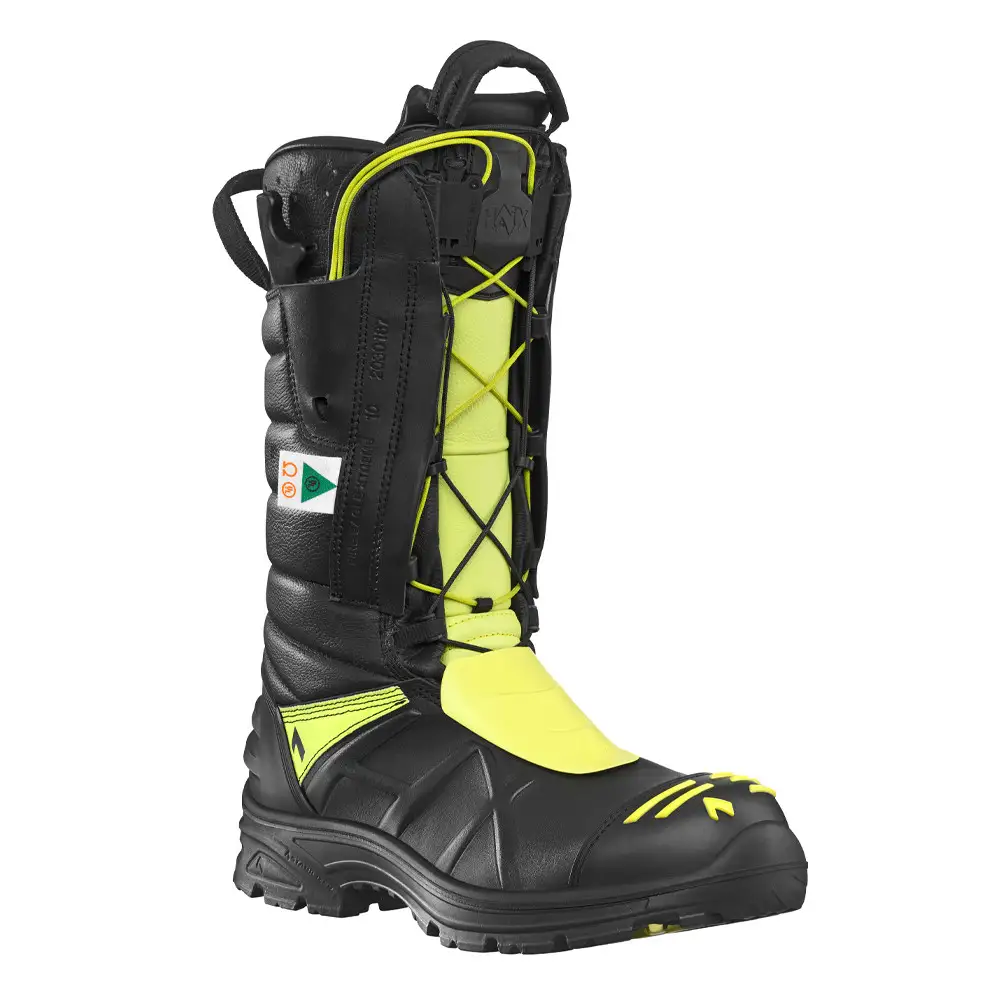
2: PPE gets greater emphasis
PPE selection became more sophisticated, particularly for unknown substances and CBRN threats. NIOSH accelerated development of testing and certification for respirators intended for CBRN environments.
3: Decontamination plays a bigger role in response
Mass decon, technical decon, responder decon and equipment decon received substantially more attention. The response model increasingly included protect, isolate, decontaminate, treat rather than simply controlling the release.
4: Incident command and interagency coordination improved
9/11 exposed major problems when fire, EMS, law enforcement and other agencies operated with different information and command structures. Unified command, common terminology and interoperable incident-management systems are here to stay.
5: Training expanded beyond chemical spills
With greater threats came the need for greater training. CBRNE, WMD, terrorism indicators, suspicious devices, biological agents and radiological incidents are part of our curriculum. Federal training programs now specifically include chemical, biological, radiological/nuclear and WMD response.
6: Secondary attacks became part of the risk assessment
Hazmat personnel increasingly had to coordinate with law enforcement and consider secondary devices or deliberate attacks before committing crews. That too, is here to stay.
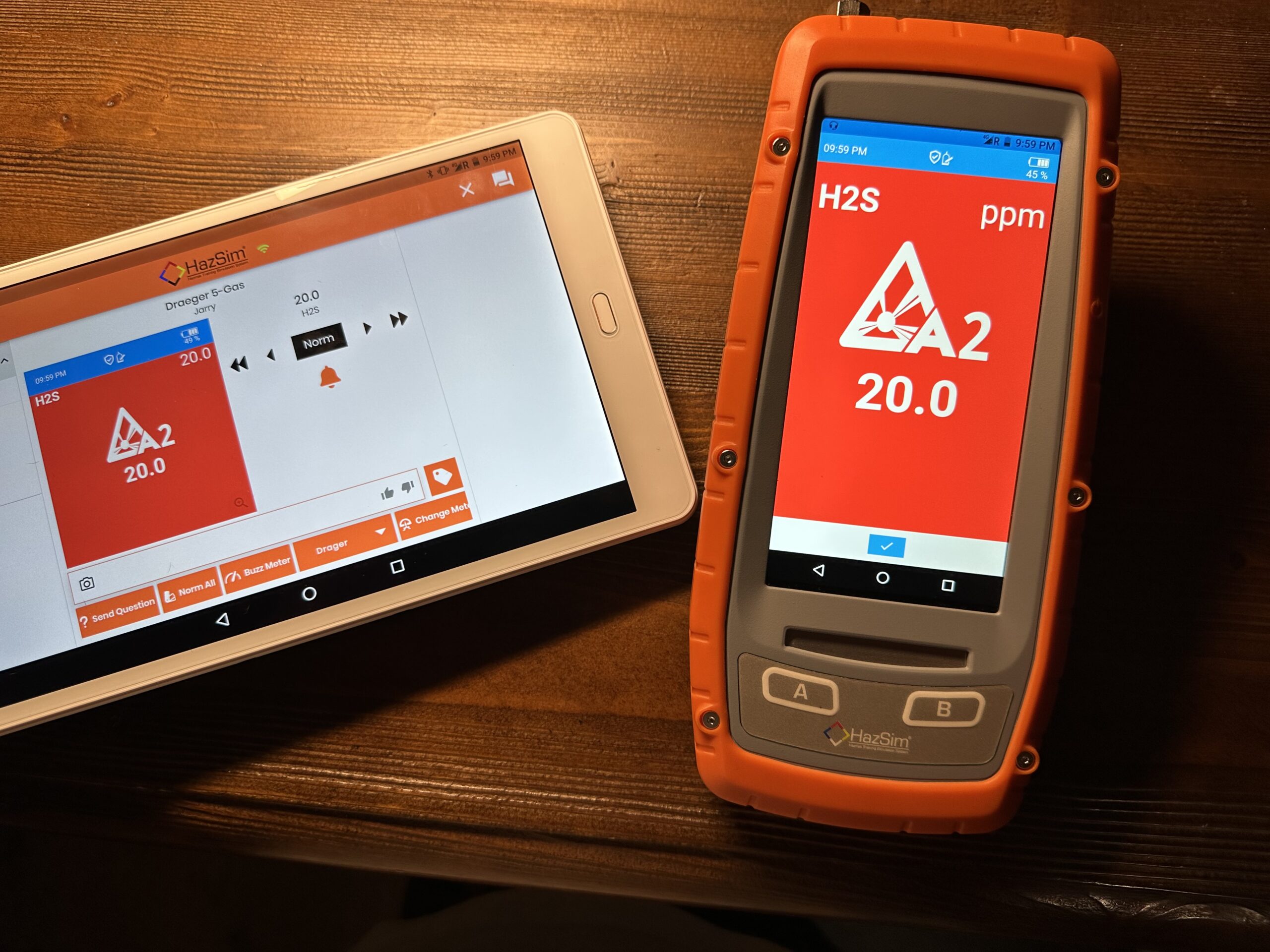
7: Detection and identification tech ramped up
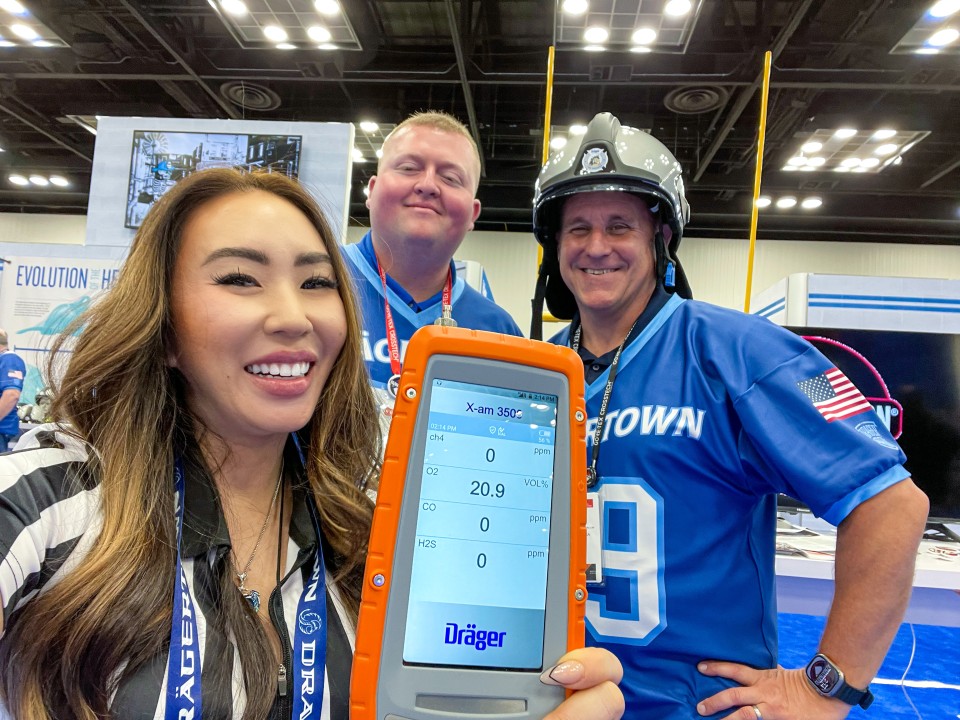
Agencies invested more heavily in chemical detection, radiation detection, biological detection, air monitoring and other technologies. The goal shifted toward identifying hazards before exposing large numbers of responders.
8: Responder health monitoring became part of preparedness
As with increased decon, 9/11 demonstrated that the consequences of exposure could continue long after the incident. Air monitoring, exposure documentation, medical surveillance and long-term health tracking became the norm.
9: Communications and interoperability became mission-critical
Along with command structure, communication technology had to improve. Responders’ inability to communicate effectively at the World Trade Center became a defining lesson.
10: Preparation included unknown unknowns
Perhaps the biggest philosophical change is that we became more cautious about assuming that we understood the hazard simply because we could see smoke, fire or a leaking container.
Unknown agents, mixed hazards, terrorism, infrastructure collapse and unusual exposure pathways became part of planning. The post-9/11 research specifically called for better hazard assessment, responder credentialing, PPE and coordinated safety management.
To further help future generations understand 9/11, the National Fallen Firefighters Association developed a pair of instructional guides, one for families and one for teachers.