E-Med Training Services’ instructors Prentiss McLauren and Daniel Shealy recently led a hands-on training class at a paper and pulp manufacturing site. Here are the key takeaways from that training.
What agency led the training?
E-Med Training Services led the training, providing experienced instructors with real-world industrial and emergency response backgrounds. The team focused on delivering practical, scenario-based instruction designed to prepare responders for high-risk environments.
Where was it held?
The training was conducted at a large paper and pulp manufacturing facility just outside Columbia, South Carolina.
What was the set up time?
Setup and planning took approximately 1–2 days, with a strong emphasis on preparing first-time, initial skill stations to meet OSHA regulatory training requirements and NFPA Job Performance Requirements. This included coordinating equipment, designing compliant evolutions, and ensuring all training objectives could be safely and effectively achieved.
Also Read: 40-Hour Hazmat Leadership Training
How many were trained?
Approximately 18 personnel were trained during the course, representing a cross-section of the facility’s emergency response team’s brand new members, experienced personnel, and even seasoned OSHA on-scene incident commanders.
What hazmat levels were the trainees?
Participants were trained at the Initial Fixed Facility Hazardous Materials Technician level, focusing on advanced response capabilities within an industrial setting. The timing of the course also provided a unique opportunity to integrate facility incident commanders and experienced team members into selected scenarios, creating blended training sessions throughout the week. While combining multiple experience levels can present challenges, it ultimately proved highly beneficial — allowing new members to integrate more effectively into the team through practical, real-world application.
What were the training objectives?
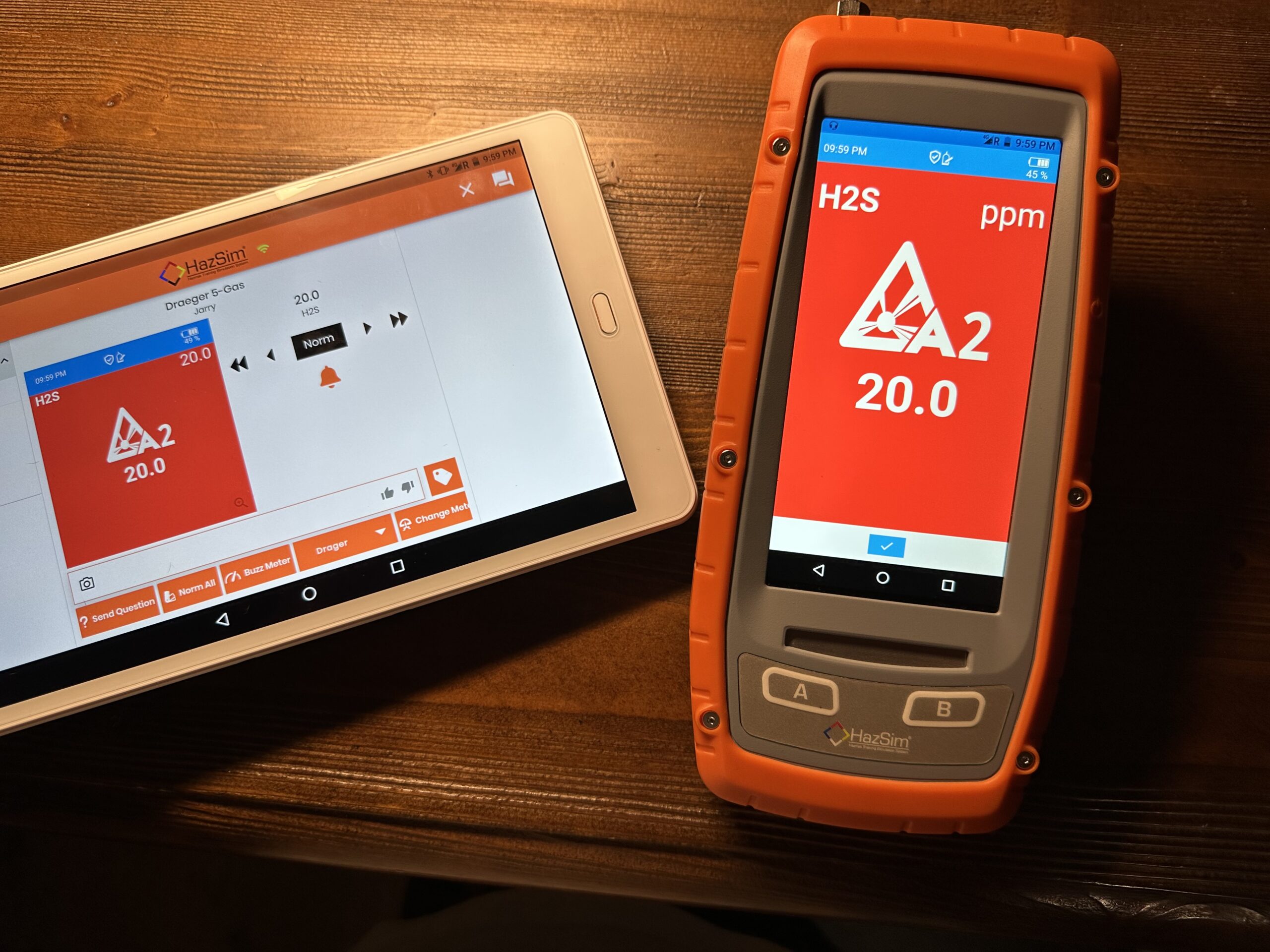
Training objectives were aligned with NFPA 470 and OSHA 29 CFR 1910.120 (HAZWOPER), with an emphasis on hazard recognition, risk-based decision making, air monitoring, product research, and safe mitigation strategies. A strong focus was placed on practical air monitoring for initial training students, while also allowing incident commanders to receive immediate feedback through live HazSim Pro prompts during scenario execution, enhancing both technical proficiency and command-level decision making.
What evolutions did trainees do?
To meet Job Performance Requirements, trainees rotated through multiple skill stations covering core technician-level competencies. Due to the inherent dangers associated with air monitoring, a heavy emphasis was placed on product research, meter interpretation, and responder safety. Scenarios reinforced decision-making under changing conditions rather than just task completion.
What technologies were used?
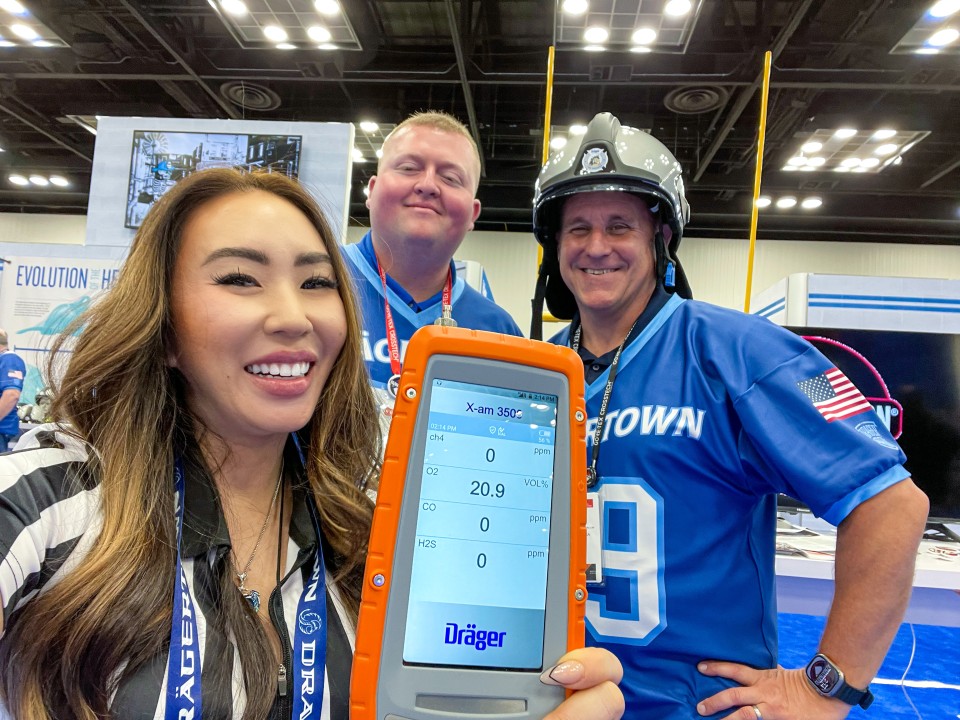
To exceed minimum standards for air monitoring training, E-Med used the HazSim Pro 3 system. This allowed technicians to train on their own monitoring equipment in realistic, controlled environments. Scenarios were customized to the facility’s specific products and conditions, helping responders better anticipate meter behavior and make informed decisions in real incidents.
Also Read: HazSim Customer Profile: E-Med Training Specialists
BrigadeIQ was also used throughout the course for documentation and compliance tracking, including electronic JPR skill verification, real-time training record management, and automated certificate generation. This ensured all training activities were captured, validated, and audit-ready upon course completion, meeting both OSHA and NFPA recordkeeping requirements.
What were the biggest successes?
One of the biggest successes was the noticeable increase in confidence and competence among the responders, particularly in air monitoring and hazard assessment. Trainees demonstrated a stronger ability to interpret data, communicate findings, and make risk-based decisions as a team — skills that are critical in real-world hazmat incidents.
What would you do differently next time?
Next time, we would look to incorporate more time for extended scenario-based evolutions that combine multiple hazards and operational challenges. This would allow responders to further develop endurance, command decision-making, and team coordination under more complex and dynamic conditions.