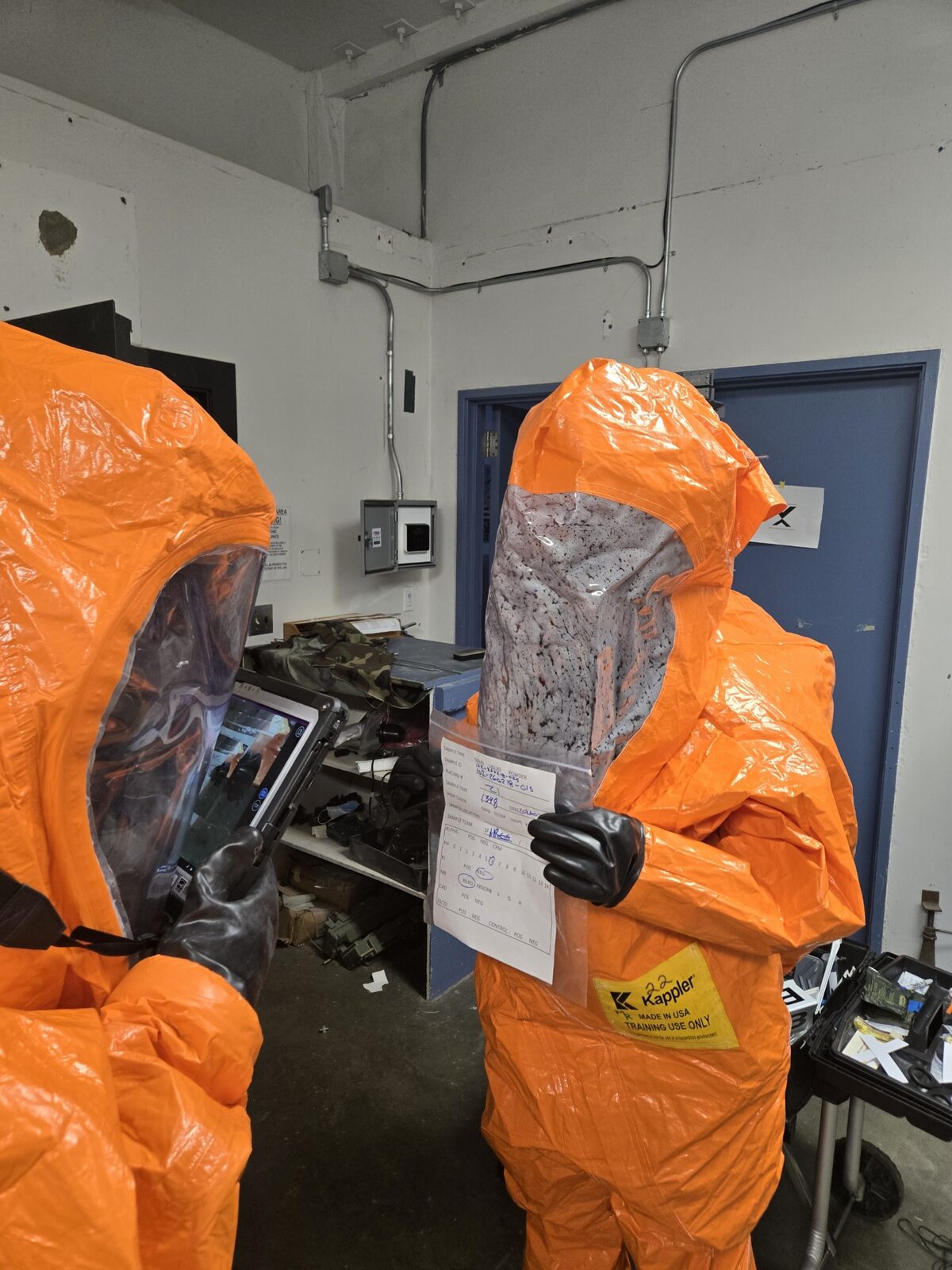
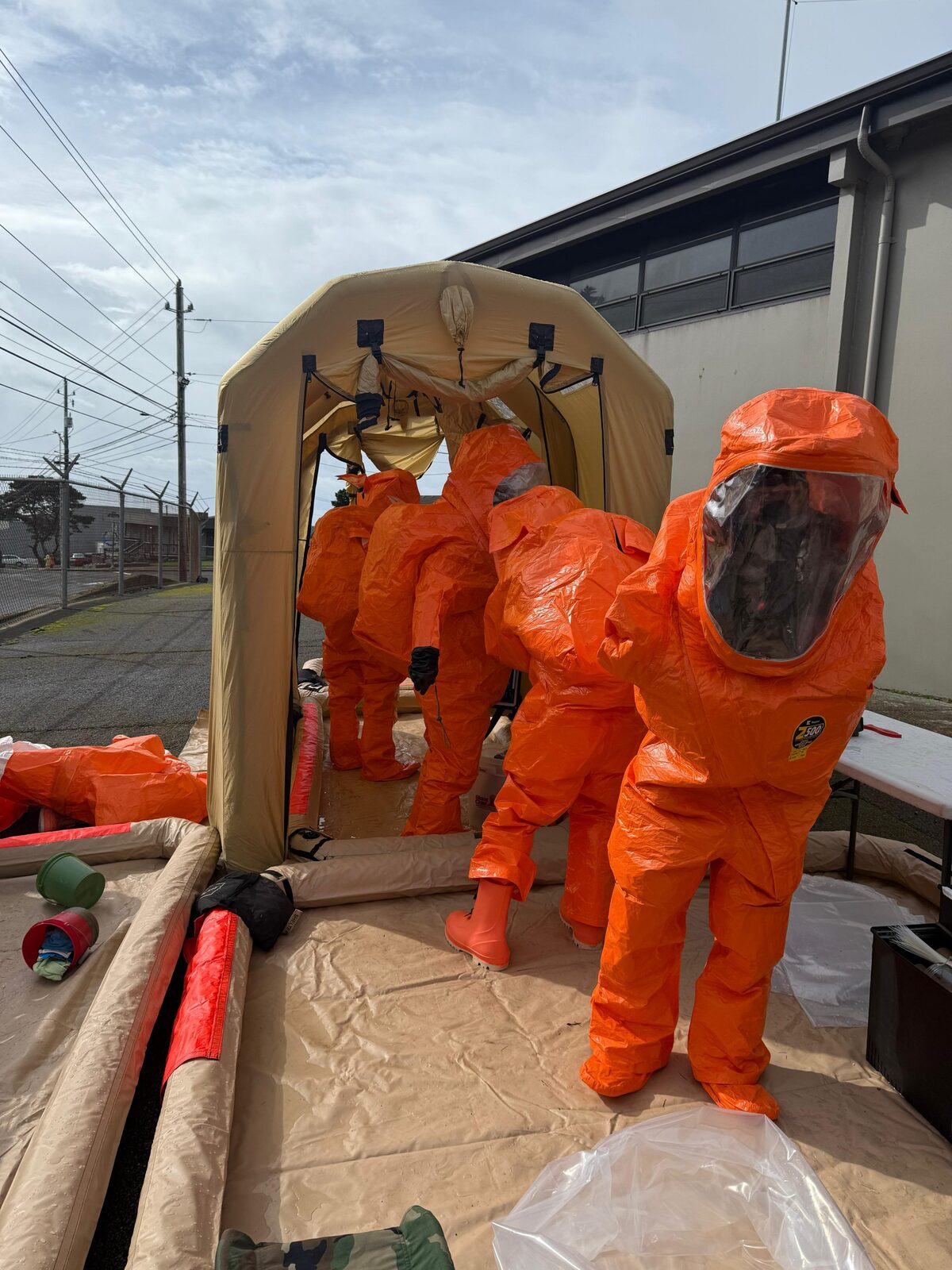
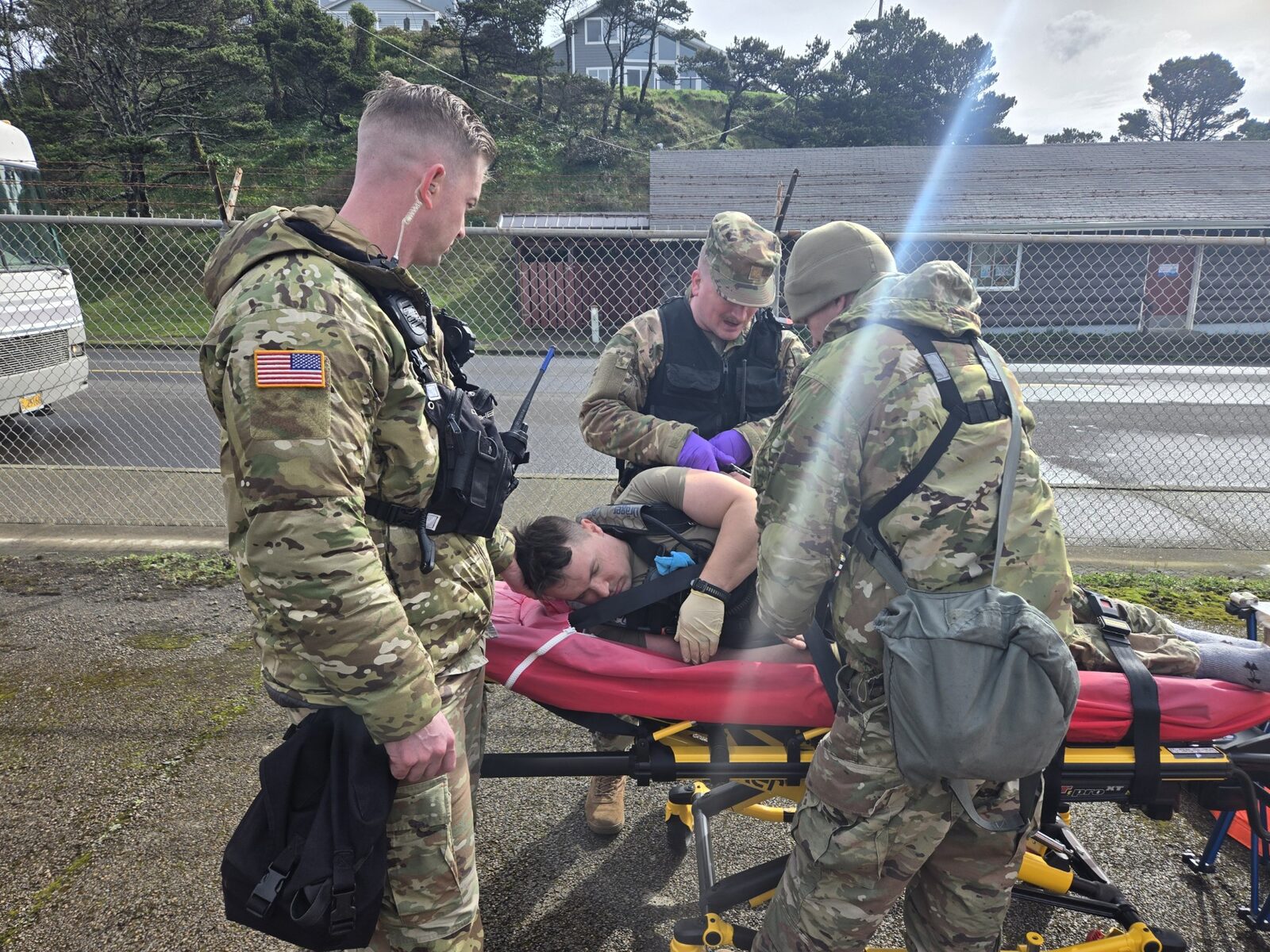
Oregon’s 102nd Civil Support Team recently held a major training event to prepare for a weapons incident involving hazardous materials response. Here’s a dive into what they did and how it worked out.
Also Read: Oregon’s Civil Support Team Covers Hazmat, WMD, CBRNE
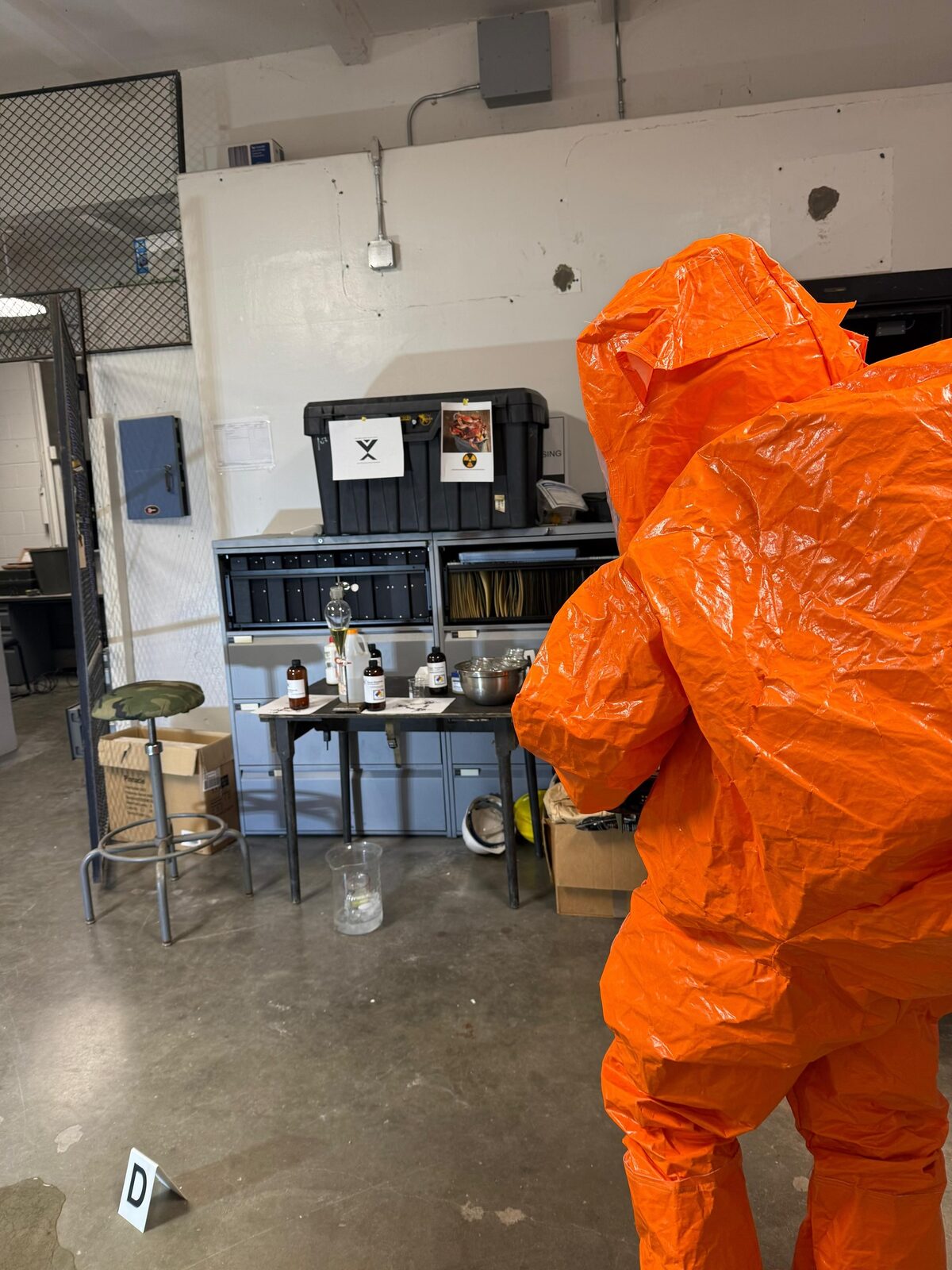
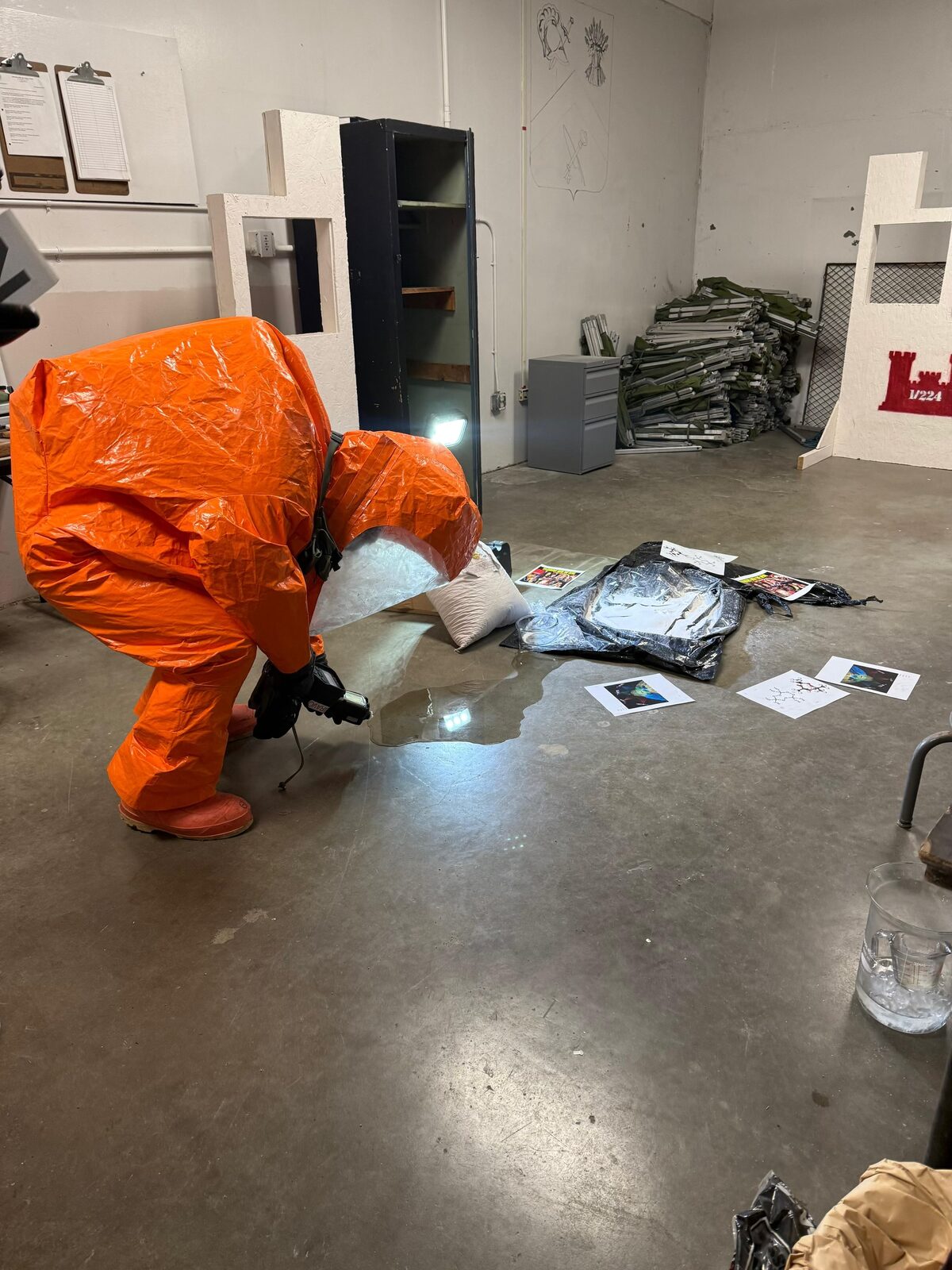
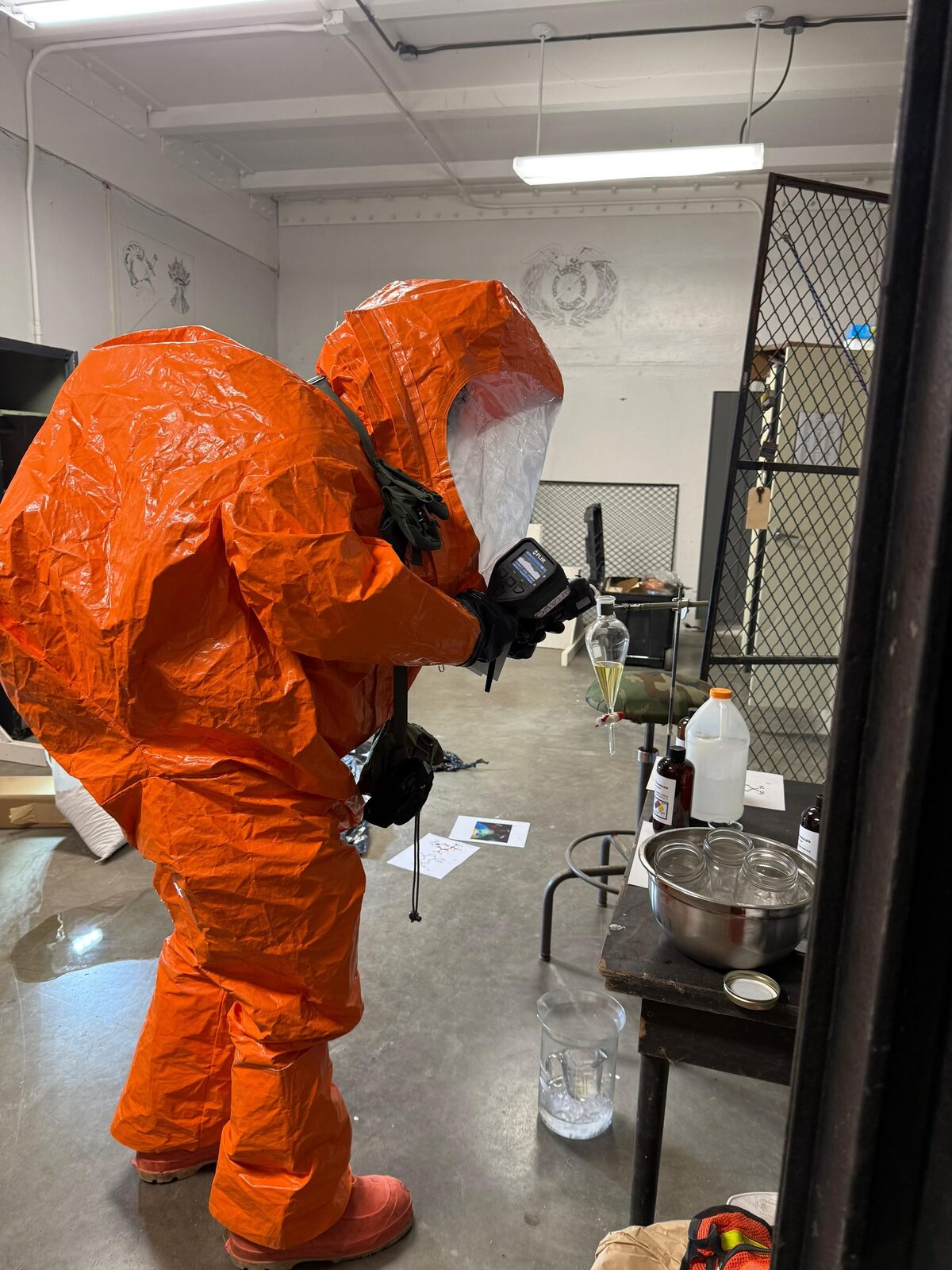
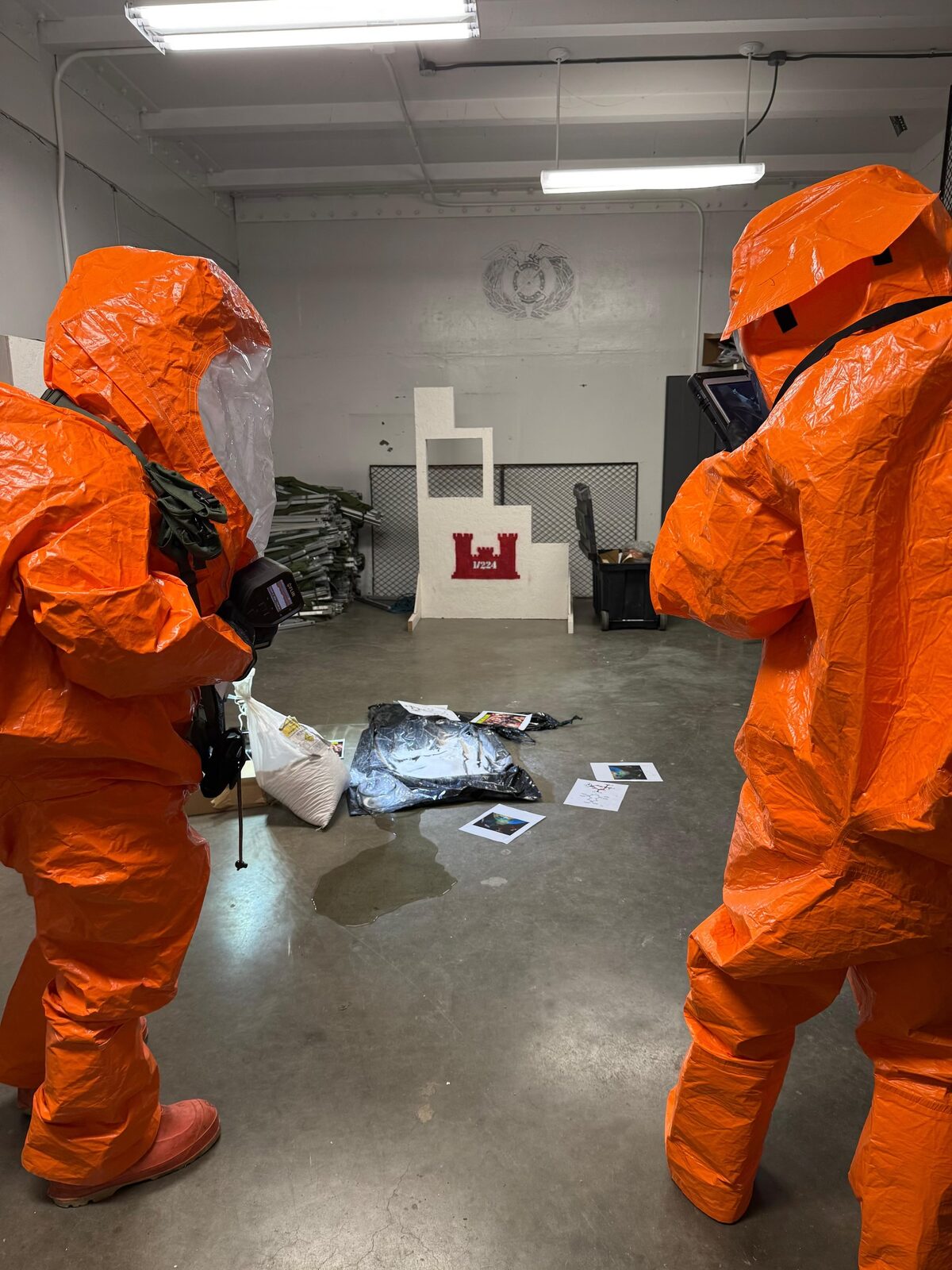
The scenario (or lane created) was a homemade explosive lane that included three areas of interest. The areas of interest were synthesis of the homemade explosive (tri-acetone tri-peroxide) and drying the synthesized product. The other area was building a device using common homemade explosive materials such as pipes, fragmentation materials like ball bearings, nails, and power source/initiation devices like wiring, batteries, cell phones and intelligence of proposed targets.
Also Read: A Field Exercise to Counter CBRN Terrorism
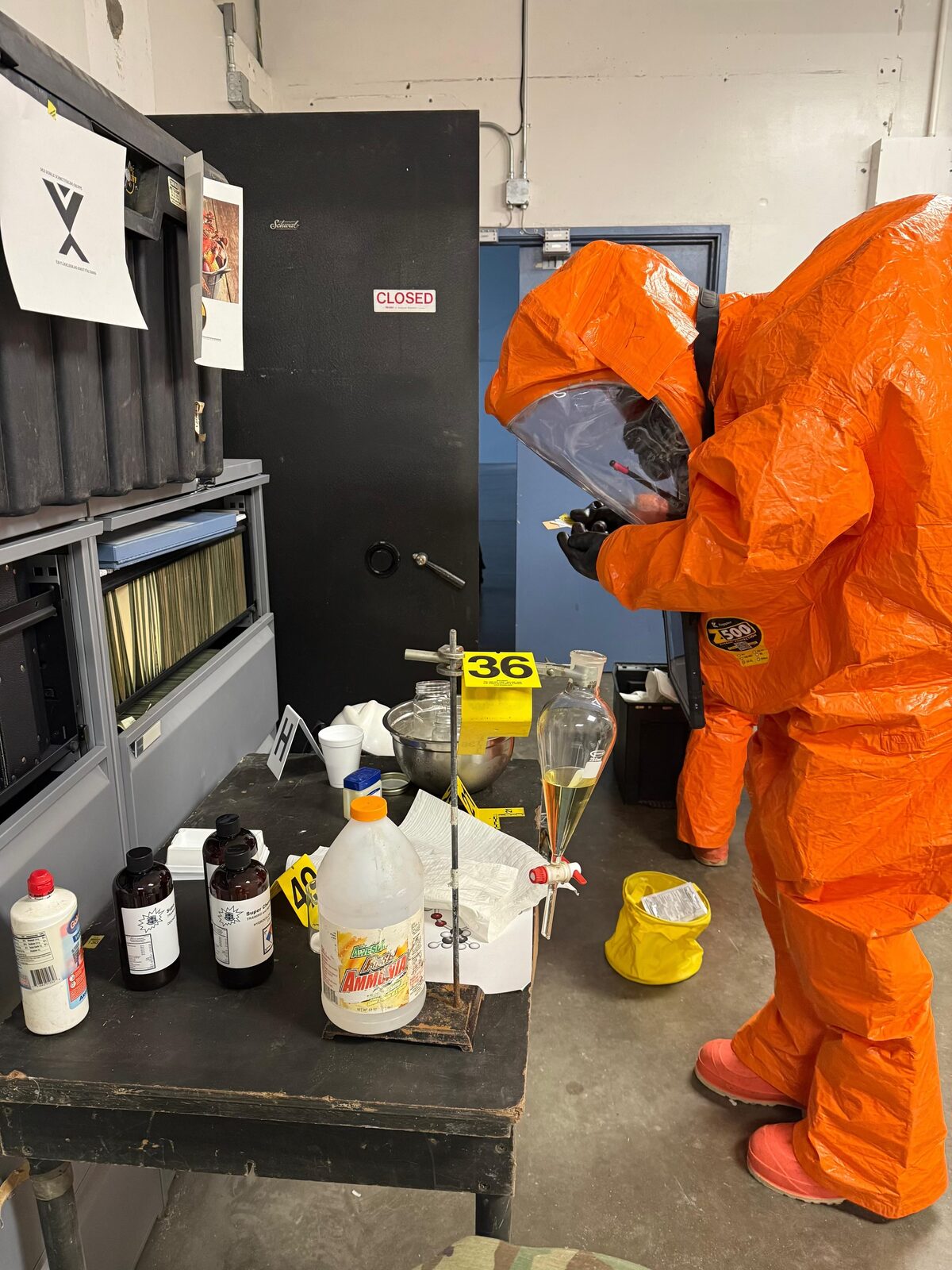
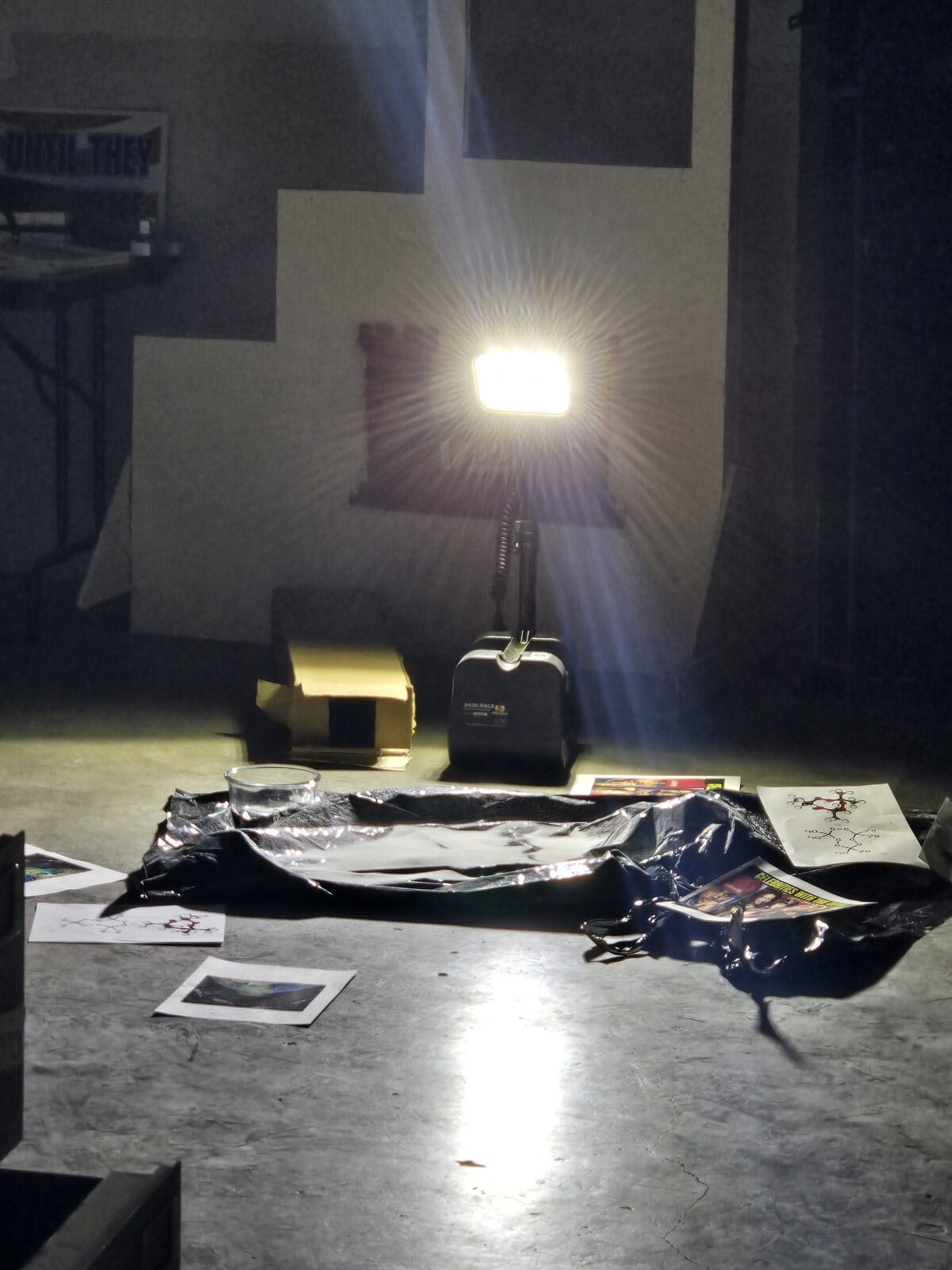
The synthesis area of interest involved a recipe and an active process of concentrated peroxide in a collection vessel, with a strong acid being slowly dripped into it through an additional funnel. The collection vessel was put on ice and monitored with a thermometer to ensure there was no exothermic reaction throughout synthesis. The product was then washed and moved to area two, which was drying the product by spreading it on a clean working space and using the room temperature itself and a low energy light to dry the product without accidental detonation due to the sensitive nature of the substance.
Also Read: How to Understand the Biological Weapons Threat
While the product was drying, the third area of interest had staged building material, which would be used to complete the device once the product was mostly dry and ready to be entered into the device and then disseminated. On the table with the building materials were specifics on proposed targets using the completed device. The targets were engaged in a manner prioritizing the most dangerous and active processes to the least dangerous for safety of the entry team, structure and surrounding civilians and civilian structures.
Where was the training held?
The Newport Oregon Armory.
What was the set-up time?
From 0700-0900 hours over two full days (Feb. 18 and 19 2026).
How many were trained?
19 Personnel.
What hazmat levels were the trainees?
All members were Hazmat Awareness or Hazmat Technician and have attended courses involving identification of chemical and explosive precursors and improvised explosive device awareness.
What were the training objectives?
The training objectives are as follows.
- Reconnaissance of the whole building identifying major areas of interest.
- Mitigate active processes — stop the acid and keep the vessel on ice.
- Identifying precursors and processes at unknown areas of interest.
- Characterize identified areas of interest for air hazards, radioactive hazards, and environmental hazards.
- Conduct triage.
- Conduct sampling.
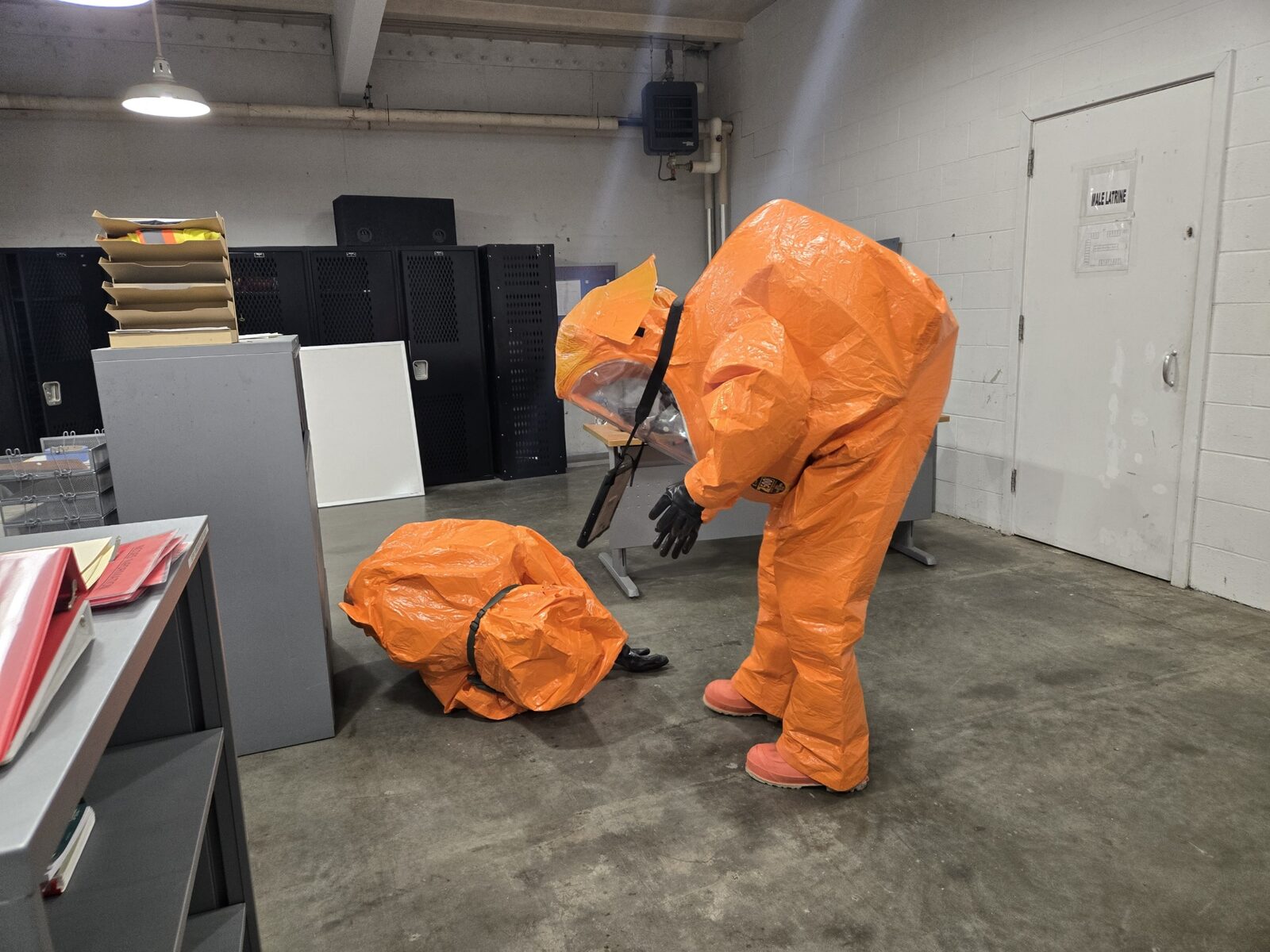
- Properly navigate a man down after the objectives have been met.
- Properly conduct decontamination using appropriate solvents and doffing procedures for those not involved in the man-down cutout.
- Refit for follow-on assistance or missions.
What evolutions did trainees do?
Trainees completed these six evolutions.
- Integrate the medical and command sections for pre-entry medical monitoring.
- Conduct survey operations meeting all the incident commanders objectives (two entries, which included, rehearsals, pre- and post-entry briefs to the IC were required).
- Integrate medical, operations and decon into the man-down actions.
- Integrate the communications section due to degraded communication within the objective area.
- Integrate the advanced echelon to receive pertinent intelligence prior to the main body arrival.
- Integrate the nuclear medical science officer to confirm or deny analysis results from the survey characterization.
What technology was used?
Characterization was conducted from a low technology to a high technology approach starting with paper triage (PH paper, potassium iodide paper oxidizers) and M8 paper (organic and inorganic and potential chemical warfare agents). We then moved into more advanced technology using the FirstDefender RMX (Ramman Laser), and TRUDefender (FTIR Laser). Due to the sensitive nature of homemade explosives, the survey team needed to take previous knowledge and experience to properly triage, characterize and sample a potentially highly sensitive material. The analytical lab and medical section also had to take great care to ensure the samples received were handled and analyzed safely, and that the entry team members had the proper immediate medical intervention equipment such as a SKED for patient packaging, nerve agent antidote kits, NARCAN and tourniquets to ensure an all hazard approach was met.
What were the biggest successes?
There were eight big successes.
- Downrange operations were conducted in such a safe manner that the lane controller had to find a way to make a man down happen rather than the entry team making a mistake to inhibit a man down.
- All incident command objectives were met after the second entry was conducted.
- Communication degradation was fixed through DSK and MFK technology.
- Proper SOP procedures were followed for the man down, which included hasty decontamination, live cut-out of PPE and patient transport to the nearest medical facility that could conduct explosive injury triage (selected prior to entry based on intel).
- Proper decontamination methods were selected, and all non-man down entry team members and cut-out personnel were properly deconned and doffed through a technical decontamination line, per FEMA and local SOP guidance.
- The analytical team successfully identified the downrange hazards using their advanced technology, to include the glovebox and GCMS (Agilent) systems.
- The command team integrated their knowledge of the incident command system during the entirety of the scenario, ensuring all information was distributed to incident command and all parties involved within the response.
- A plume model was conducted by the operations team to ensure proper standoff and civilian safety considerations.
What would you do differently next time?
There were five things we would do differently.
- Include the local bomb technicians to conduct reconnaissance prior to making an entry and giving them the opportunity to “shoot” a manufactured device for their training.
- Attack the scenario as a strike team package to practice initial response with a degraded posture.
- Include the Oregon Joint Operations Center to provide situational reports on the status of the training between each segment of the scenario as it unfolded.
- Invite local CERFP for advice on a potential wind shift and sensitive downrange hazards, which could have prompted a need for a mass casualty or mass decontamination response.
- Include more “unknown” players, rather than “trusted agents” to ensure a more realistic outcome of information flow and decision making.