By Mike Lange, SolvChem
Hazardous material handling leaves very little margin for error. A leaking drum, failed seal, or incompatible container can lead to employee exposure, contamination, damaged inventory, environmental concerns, and compliance issues in a very short amount of time.
When a containment issue occurs, the condition of the container can provide important clues about what went wrong. Signs of deterioration, physical damage, failed seals, or other packaging issues may indicate that a container was incompatible with its contents or used outside its intended conditions.
Containers used for hazardous materials are more than a means of storage or shipping. In hazardous environments, containers function as engineered containment systems designed to maintain material stability, protect personnel, preserve product integrity, and reduce the likelihood of leaks or contamination.
Also Read: Unknown Hazmat Call: Expect the Worst
When something goes wrong, understanding how these systems are intended to perform can help identify potential signs of container misuse or failure.
Signs of Chemical Incompatibility
Chemical degradation is one of the first issues to consider when evaluating a suspected container problem. Chemicals interact differently with plastics, metals, liners, and sealing materials, and certain substances gradually weaken packaging components through corrosion or chemical degradation.
In many cases, this deterioration develops slowly before eventually resulting in leaks, spills, or contamination incidents.
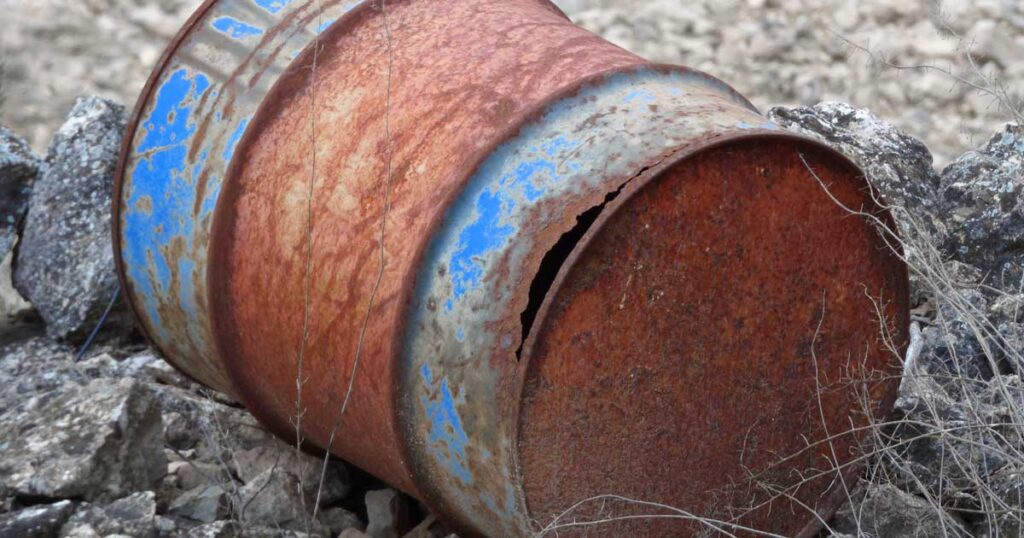
Visible corrosion, deterioration, cracking, deformation, or damage to liners and sealing materials may warrant a closer look at whether the container and its components were compatible with the substance being handled.
Contamination concerns become even more serious in facilities handling multiple hazardous substances. Improper packaging may allow chemicals to interact with surrounding materials, compromise nearby inventory, or introduce contaminants directly into the product itself.
Also Read: Constant Chaos: The Daily Battle to Protect the Environment
When contamination has occurred, consider whether the container or packaging system could have allowed substances to escape, outside contaminants to enter, or incompatible materials to come into contact.
The container material itself can also provide important context when evaluating a problem. Depending on the application, hazardous materials may require fluorinated containers, lined drums, stainless-steel systems, or specialized polymers capable of withstanding corrosive or reactive substances.
Chemical concentration, storage duration, environmental exposure, and transportation conditions can all affect container performance. Comparing those conditions with the container’s intended use can help identify potential compatibility or misuse concerns.
Physical Damage and Improper Handling
Physical damage can provide additional clues about how a container was used and handled. Hazardous material containers are routinely exposed to forklift movement, pallet stacking, transportation vibration, shifting loads, and temperature fluctuations.
Containers that perform adequately in controlled settings may not maintain the same level of reliability after repeated industrial handling or extended storage periods.
When evaluating a damaged container, look for evidence of impacts, deformation, compromised structural integrity, or other damage that may indicate the packaging was subjected to conditions beyond its intended use.
UN Ratings and Container Markings
Hazardous material packaging standards place strong emphasis on structural performance testing. UN-rated containers are evaluated for impact resistance, pressure tolerance, leak prevention, and stacking strength under realistic transportation conditions. These standards help verify that packaging systems can maintain containment integrity throughout storage, handling, and shipment.
Also Read: New Hazmat Guide for Orphan Chlorine Container Response
Container markings and ratings can therefore provide useful information when a failure occurs. Reviewing whether the packaging was appropriate for the material and conditions involved may help identify potential misuse or a mismatch between the container and its application.
Closure and Sealing System Failures
Many hazardous material incidents occur because lids, gaskets, fittings, or dispensing components fail under operational stress. Vibration during transportation, pressure fluctuations, improper closure application, or incompatible sealing materials can all compromise containment performance. Even a small sealing failure may allow hazardous substances to escape or contaminants to enter the container.
Signs of damaged gaskets, loose or improperly applied closures, leaking fittings, or deterioration around sealing components may help identify where containment integrity was compromised.
Reliable sealing systems also support product quality and material stability. Certain hazardous substances must remain isolated from moisture, airborne particles, or external contaminants to maintain safe handling characteristics throughout storage and transport. When those conditions have not been maintained, the closure system is one area to evaluate.
Packaging Compliance Issues
Container markings, documentation, and applicable packaging requirements can provide additional context when evaluating potential container misuse. Agencies including the Department of Transportation, the Federal Motor Carrier Safety Administration, and the Environmental Protection Agency maintain strict packaging requirements for hazardous materials. These regulations are intended to reduce the likelihood of leaks, contamination, fires, and accidental releases during transportation and storage operations.
Packaging failures can create extensive operational consequences as well. Rejected shipments, regulatory penalties, transportation delays, product loss, cleanup costs, and increased liability exposure may all result from improper container use or packaging failures. More importantly, containment failures place employees, surrounding communities, and environmental resources at risk.
Environmental Risks of Container Failures
Even relatively small leaks may contaminate soil, water systems, production areas, or nearby inventory. Cleanup efforts often involve substantial costs and operational disruption.
When a leak or release occurs, examining the condition of the container and its components can help identify packaging issues that may need to be corrected before similar materials are handled again.
Mike Lange is Vice President of Sales for SolvChem, a large independent chemical distributor. He has 25 years of commercial and executive leadership experience in the distribution industry.